
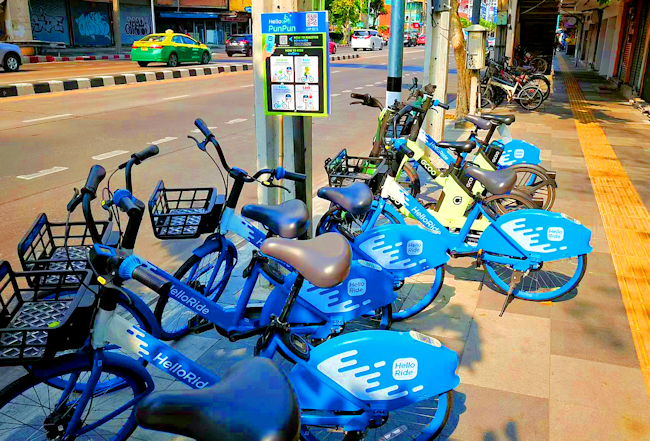

Bangkok’s streets are quietly changing. This time the shift is being driven less by new rail lines or expressways and more by bicycles.
From shared bikes parked beneath BTS stations to late‑night group rides reclaiming the asphalt, cycling is emerging as a practical — and unexpectedly enjoyable — way for expatriates and locals to move around the capital. What once felt like a risky fantasy is edging into the mainstream as bike‑sharing schemes return and an increasing number of riders test Bangkok at pedal level.
The revival has been fueled by services such as Hello PunPun and HelloRide, which place shared bicycles where the city needs them most. Docked near BTS and MRT stations, these bikes help solve Bangkok’s persistent “first and last mile” problem. Commuters can step off a train and continue their journey without squeezing onto a motorcycle taxi or sitting in traffic, turning short urban trips into something quicker and, often, calmer.
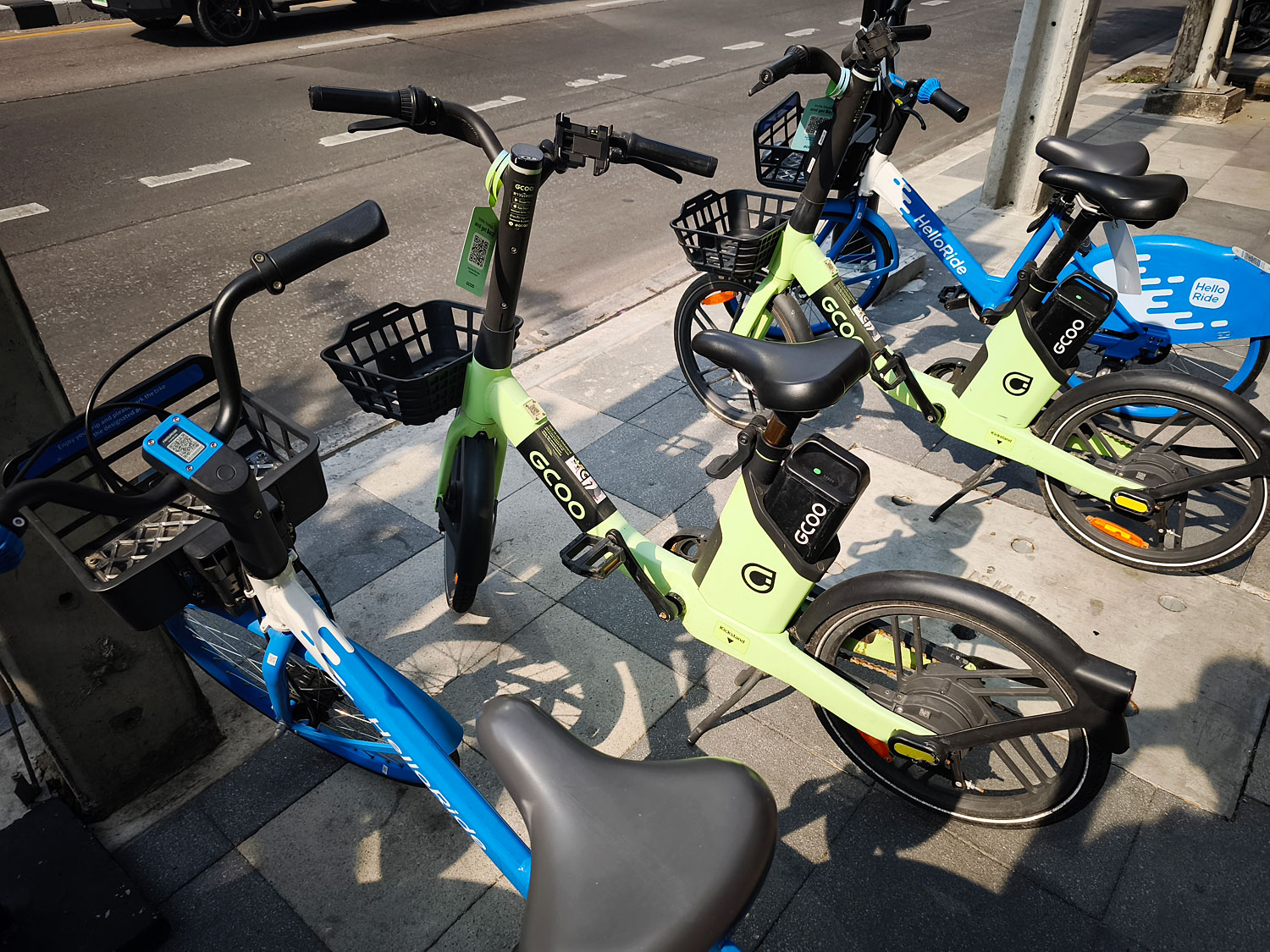
They are no longer alone. Tech site DroidSans lists several bike‑sharing platforms now operating in Bangkok, including Anywheel, GCOO, Pundai and Hello PunPun, with hundreds of bikes spread across key districts. During pilot phases some schemes even offered free daily use, lowering the barrier for newcomers curious about cycling but reluctant to buy their own bike. The formula is deliberately simple: short rides, intuitive apps and stations placed where people already pass every day.
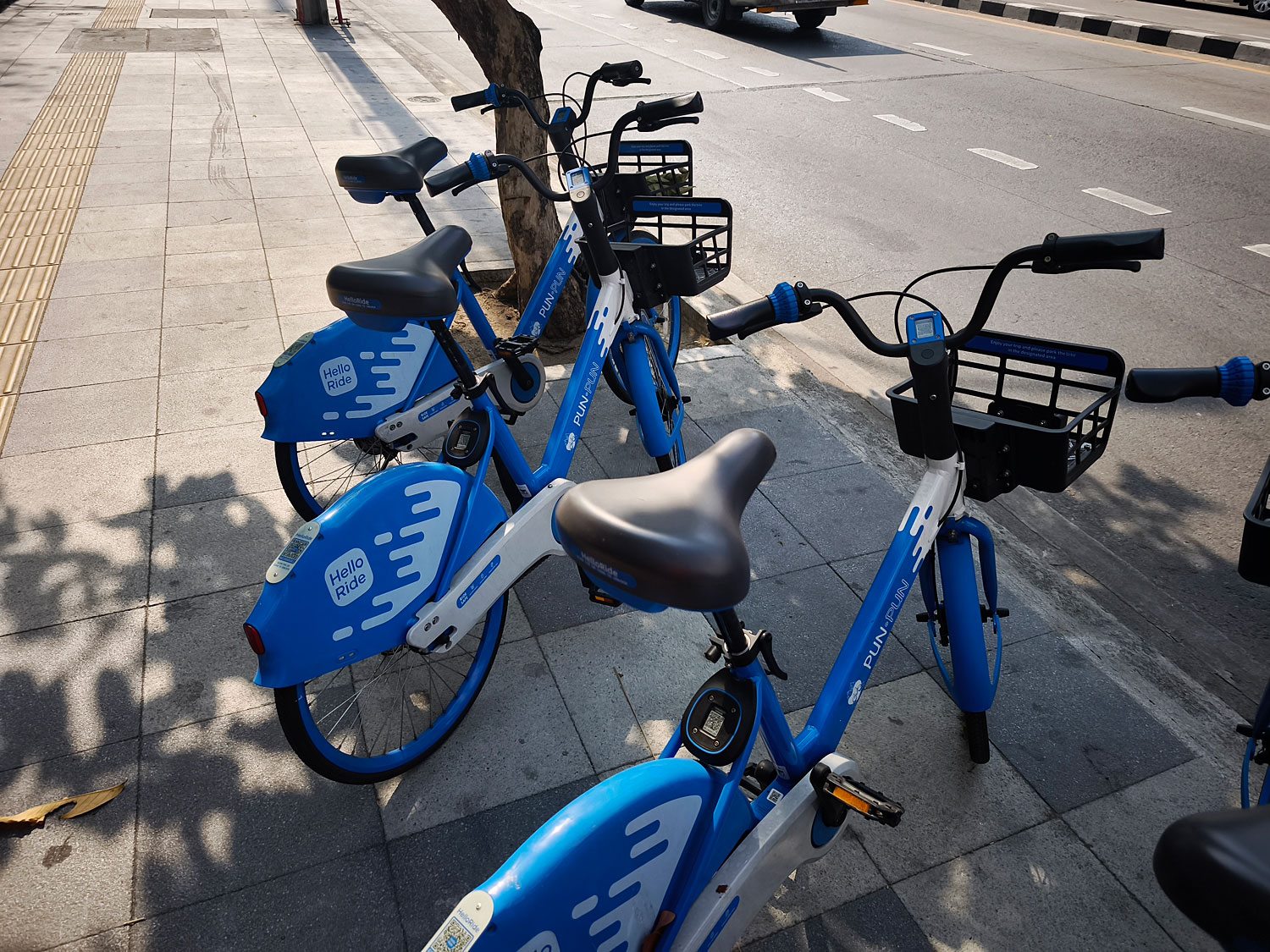
For expatriates used to cycling cultures in Europe or East Asia, Bangkok’s progress may seem overdue, but it is increasingly visible. Bike‑sharing has existed in various forms for more than a decade, yet earlier efforts were hampered by limited stations and poor integration. What feels different now is scale: blue shared bikes under elevated tracks and outside shopping malls are becoming part of the everyday streetscape rather than novelties.
Cycling is also reshaping how people experience the city beyond the daily commute. Social media posts, particularly on X, formerly Twitter, show riders celebrating the simple pleasure of gliding past gridlock and discovering backstreets usually hidden behind windscreens. These informal snapshots reflect a growing confidence that Bangkok can be explored slowly and deliberately, rather than merely endured at a standstill.
Environmental pressures are another quiet but powerful driver. With PM2.5 pollution a recurring problem, officials have repeatedly pointed to cars as a major contributor to poor air quality. Shared bicycles are being promoted as part of a broader sustainability push to cut short
car journeys. Adoption remains modest, but the ambition is clear: thousands of bikes across the city, linked seamlessly to mass transit.
For daily users, practicality trumps ideals. One reason bike‑sharing is gaining traction is its compatibility with trains. Bangkok community pages on Facebook regularly explain how cycling can be combined with BTS and MRT trips, particularly for short hops where a shared bike makes more sense than walking. This intermodality is crucial in a city where few are ready to cycle end to end.
Safety remains the elephant in the room. Concerns over traffic and uneven pavements are real, but confidence tends to grow with familiarity. Choosing quieter routes, riding at off‑peak hours and sticking to neighbourhood streets can make cycling far less intimidating. As more cyclists appear, there is hope drivers will become more aware and accommodating.
A cultural shift is gradually taking shape alongside these practical changes. Group rides, night cycling events and relaxed weekend spins through parks are building a sense of community. For many expatriates, these rides offer not just exercise, but a new way to connect with Bangkok beyond offices, malls and condominiums. The city feels different at bicycle speed, with smells, sounds and conversations suddenly within reach.
Economics play their part too. Shared bikes are cheaper than taxis and faster than walking for journeys of about one to three kilometers. In a city where convenience dictates behavior, this balance of cost and speed may be cycling’s strongest argument.
Bangkok is unlikely to become as bike‑mad as China’s Chengdu, and no one pretends it will. Yet the resurgence of bike‑sharing and the gradual acceptance of cycling point towards a cleaner, healthier future. Bicycles are no longer viewed as reckless or eccentric but as one useful tool among many for navigating a complex, evolving city.
Where are the bike-sharing spots?
https://www.google.com/maps/d/embed?mid=1uNuLkjtv_hm0DIIKNF8R2p8_WCJMtog&ehbc=2E312F
How to use the service?
Generally, these are the usual steps to use a bike-sharing service.
- Download an app from whichever bike-sharing brand you prefer (usually there are instruction both in English and Thai near the parked bikes)
- Register and fill in your preferred payment method
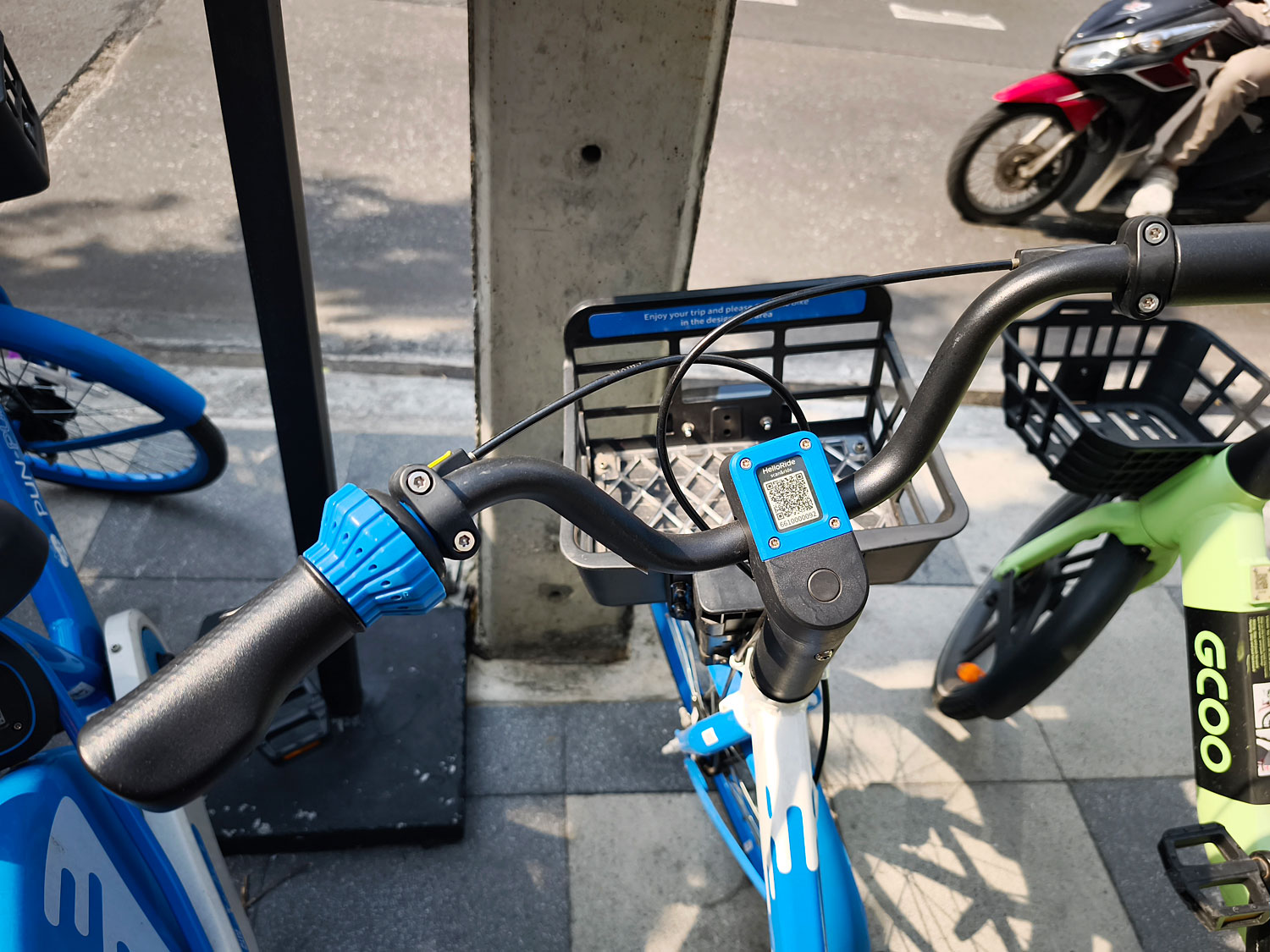
- Scan a QR code on the bike, which will unlock the bike
- Ride the bike
- Park the bike in its allowed spots (usually near BTS, MRT or bus stations)
- Pay for the ride
Price of the rides
For Hello PunPun and Anywheel
- 10 baht for 30 minutes
- 50 baht for one day
- 100 baht for a week
For GCOO‘s electric bike
- 3 baht per minute
Source: Bangkok Post