
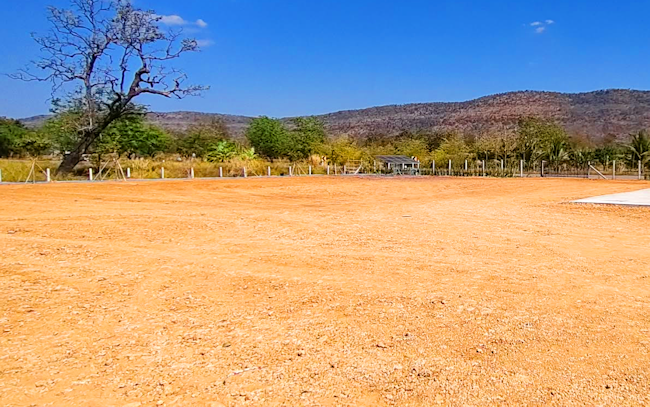

Now that you have purchased the land and have title in hand, it is time once again to do another physical walk around to see if there are any issues.
- Does the land need to be leveled?
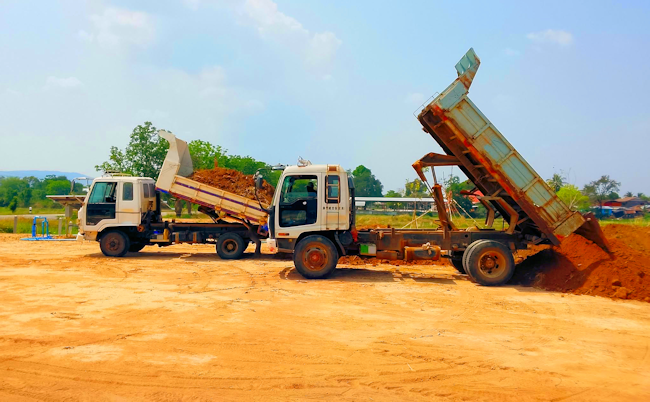
- Does the land have any voids, holes or large cracks from a previous fill?
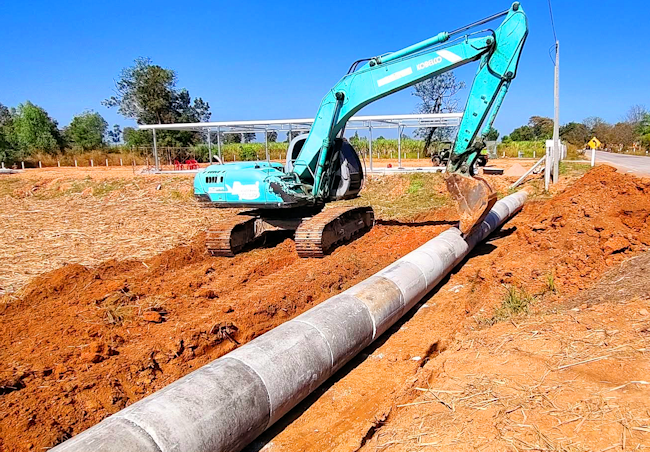
- Is there a drainage culvert draining on your land? If so this issue needs to be addressed with the land authorities, which will issue a license for your land to address the culvert. Additional cost if you have to add more conduit and install to reroute the drain water.
- Any trees, brush or shrubs to be removed? Conversely, if you want to plant fruit trees, now is the time to figure out where they will go and get them planted!
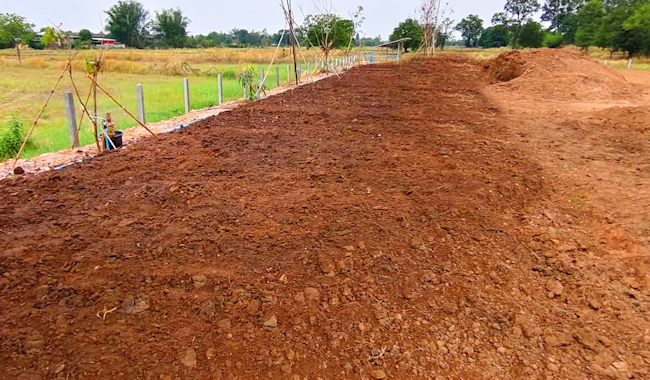
- Getting the first visual ideas how you want to layout your house build, garage and anything else you will build.
- Orient your house build around the East and West direction of the sun.
- Is there a pond to deal with?
- What about water? Is there a village or city water supply?
- If not you will need to have a well drilled. To do this the well company will have to come do a divining rod exercise to find where exactly your property does have water? This may not be where you want a well, however, they have to drill where they find water.
- Water will be needed to mix cement during the build process.
- Will you need water tanks for storage? Will the water tanks be raised and required a stand to be built?
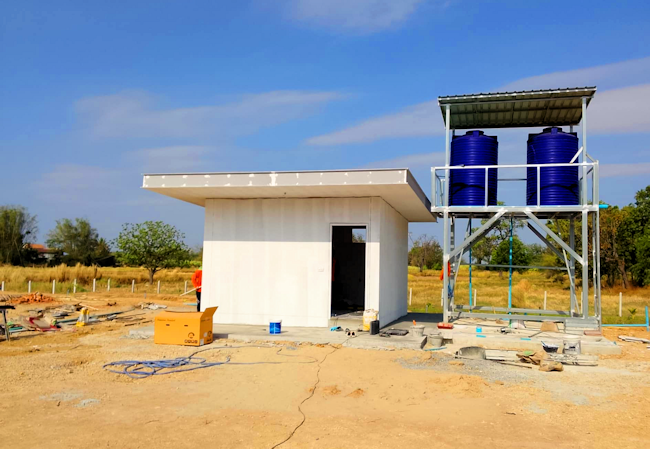
- Do you have electric poles? If not they will need to be purchased and installed. PEA will need to be contacted to hook up construction power (electricity) to be able to build your house.
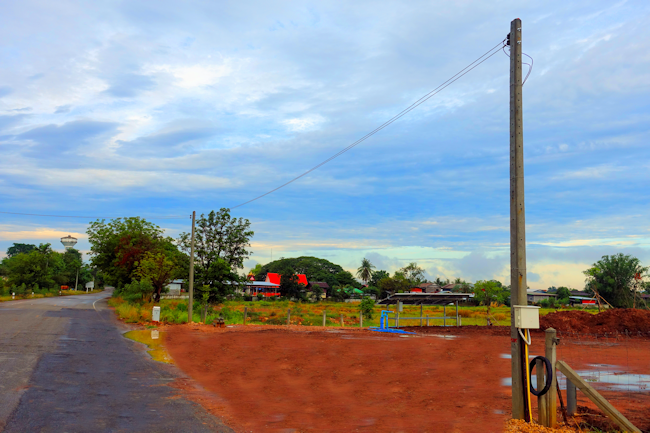
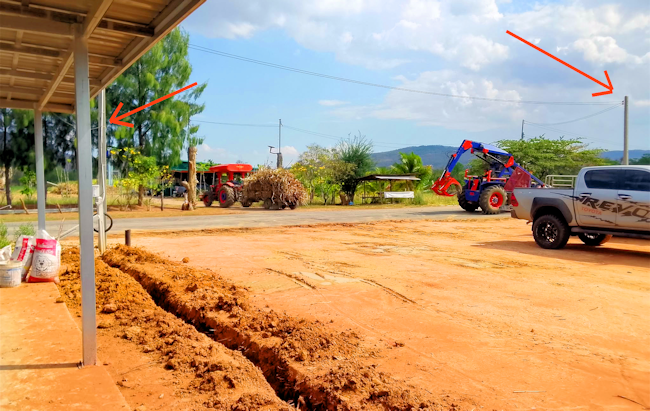
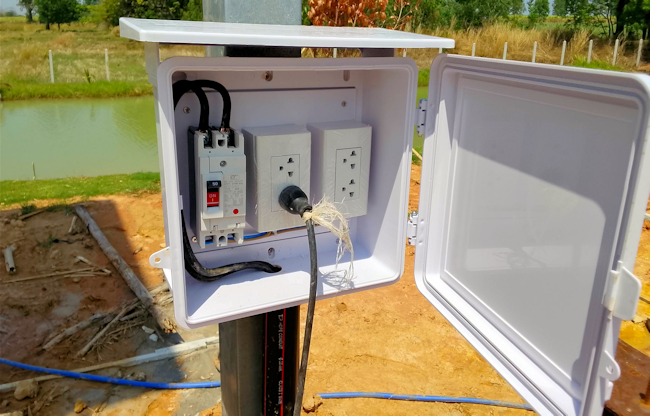
- Do you want the electric wires overhead or buried in the ground?
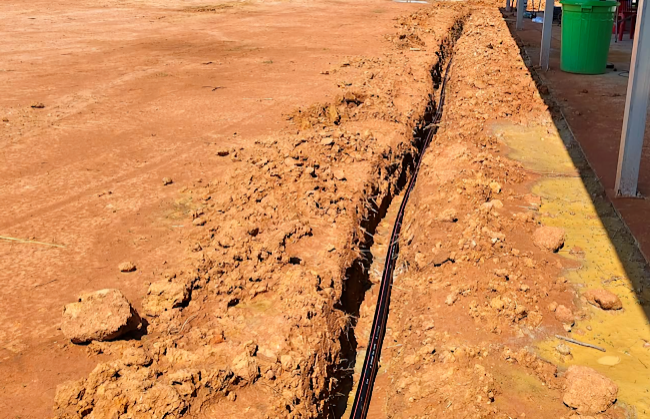
These are the types or questions you need to answer because all of them will involve cost.
If the land needs to be filled, this will involve trucking in fill dirt and have a tractor level it off.
TIP: Now, what you need to know here, is if the fill dirt sits for a long period, due to the hot weather or monsoon rains, the dirt may not fill evenly, develop large holes and crevasses.
I strongly urge to hire a Compactor or Roller Tractor to compress the fill down. This will prevent holes and cracks as the fill settles.
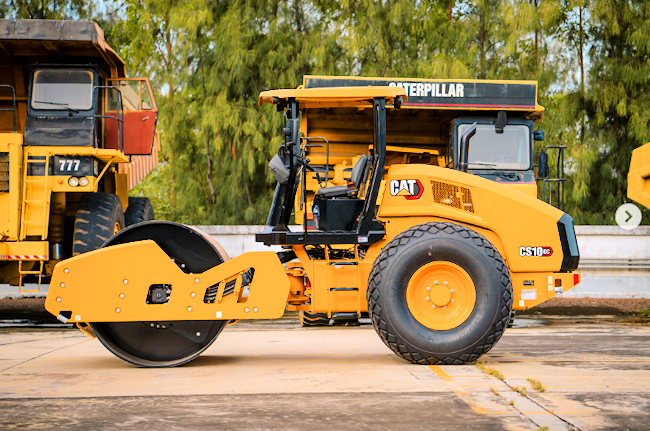
It will also shorten the amount of time for the fill to settle before building.
If you do not compact it down, after sitting for a period of months, you may find out it did not fill correctly and will need more work before you can start building.
- Getting the land filled, leveled and prepared for the build to start is an important step that must be done correctly.
- Understand water and electricity will be needed by the builders once the build starts.
One the land is prepared and ready for building, it will be time to move on to the house plan phase.