
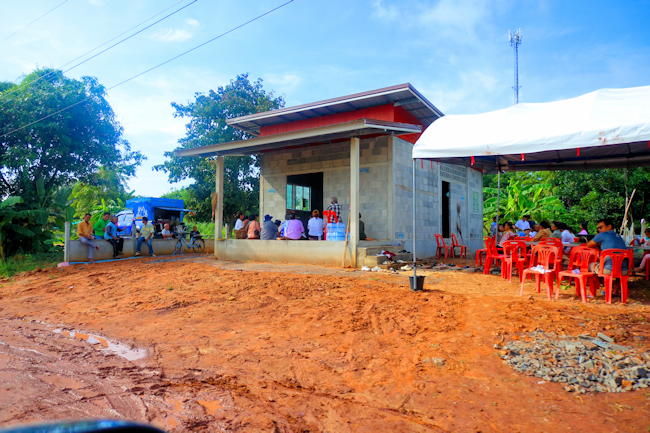

The large housewarming celebration is much more than a party. It is a blend of Buddhist beliefs, local customs, and family tradition. Many Thai families believe that choosing the right day and performing the proper ceremonies will bring good fortune, health, prosperity, and harmony to everyone who lives in the home.
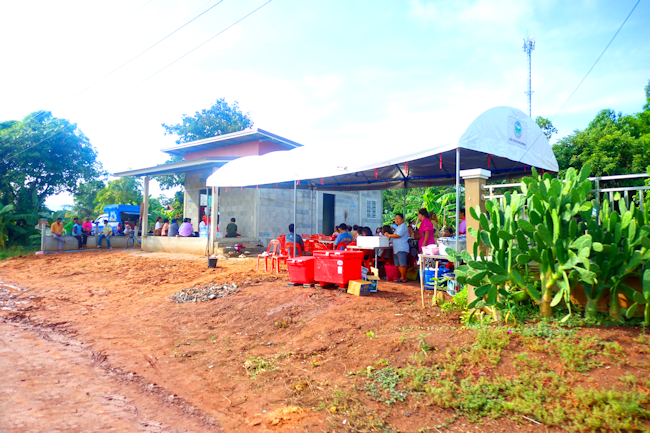
Here are the main reasons:
1. An auspicious date is chosen
Rather than moving in whenever construction finishes, many families wait for a lucky day and time.
A monk, astrologer, or respected elder may select a date based on:
- The homeowner’s birth date
- The Thai lunar calendar
- Astrological calculations
- Days considered lucky for beginning a new chapter
The belief is that starting life in the house at the right time invites good luck.
2. Buddhist blessing ceremony (ทำบุญขึ้นบ้านใหม่)
The most important part is the house blessing ceremony.
Typically:
- 5, 7, or 9 monks are invited (9 is especially auspicious because the Thai word for nine, “gao,” sounds like “to progress”)
- The monks chant Buddhist scriptures
- Holy water is sprinkled throughout the house
- White sacred thread (Sai Sin) may be tied around the house or held by the family during chanting
- Offerings and donations are made to the monks to earn merit
This ceremony is believed to bring peace, protection, and good fortune.
3. Making merit
The family earns merit (บุญ) by:
- Donating food and money to monks
- Feeding guests
- Giving to charity
- Sharing happiness with others
Making merit is considered an important way to begin life in a new home.
4. Inviting friends and relatives
After the religious ceremony, many families host a large meal.
Guests come to:
- Congratulate the homeowners
- Give gifts
- Wish the family prosperity
- Strengthen relationships
In rural Isaan, it’s common for dozens or even hundreds of relatives and neighbors to attend.
5. Blessing every room
Some families ask the monks to bless:
- Bedrooms
- Kitchen
- Living room
- Garage
- Business area
- Land surrounding the house
Holy water may also be sprinkled around the property.
6. Traditional practices
Depending on the region, additional customs may include:
- Bringing a Buddha image into the house first.
- Carrying rice, money, or other symbols of abundance into the home before other belongings.
- Lighting incense and candles.
- Offering flowers and fruit at the household spirit shrine if there is one.