
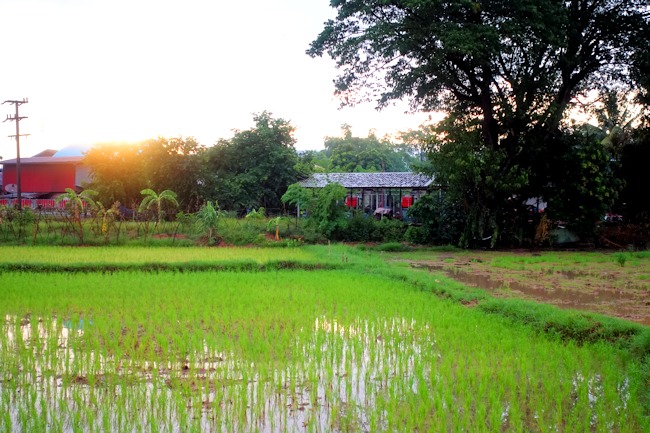

For many visitors, rural Isaan represents the heart of authentic Thailand. Endless rice fields, quiet villages, Buddhist temples, family gatherings, and a slower pace of life create an image of simplicity and contentment.
Yet beneath that peaceful appearance lies one of Thailand’s most significant economic challenges.
Across rural northeastern Thailand, many households are carrying substantial personal debt. Lower incomes, unstable agricultural earnings, rising living costs, and easy access to credit have created financial pressures that affect millions of families.
Understanding why debt has become so common helps explain many aspects of rural life that visitors and new residents often notice but rarely understand.
The average resident in my village in Ban Thaen District is estimated to earn between ฿75,000 (US $2,343) and ฿105,000 (US $3,281) PER YEAR, well below Thailand’s national average.
Most US citizens on social security would earn more in 1 month than the average villager here would earn in an entire year.
Why Rural Isaan Is Especially Vulnerable
Unlike Bangkok, where salaries may be stable throughout the year, many households in Isaan depend on income that fluctuates dramatically.
Common sources of income include:
- Rice farming
- Cassava production
- Sugar cane farming
- Rubber plantations
- Seasonal construction work
- Factory employment
- Small family shops
- Government pensions
- Money sent home by relatives working in Bangkok
Few of these income sources provide predictable monthly earnings.
A poor harvest, drought, flooding, falling crop prices, or illness can reduce household income almost overnight.
Farming Is Becoming Increasingly Expensive
There is very little money in family scaled farming.
Before a single grain of rice is harvested, many farmers must pay for:
- Seeds
- Fertilizer
- Herbicides
- Fuel
- Machinery repairs
- Tractor rental
- Labor
- Irrigation
- Transportation
Most of these expenses occur months before any income is received.
When harvest prices fall, farmers may earn little—or even lose money—despite months of hard work.
Rising fuel and fertilizer costs, combined with weaker crop prices, have pushed many agricultural borrowers into long-term debt, with more than half of borrowers at Thailand’s Agricultural Bank reportedly trapped in ongoing repayment cycles.
Income Is Often Seasonal
Unlike salaried workers, many rural households experience swings in cash flow.
For example:
January–March
Harvest income arrives.
Families may:
- repay loans
- repair the house
- purchase farm equipment
- pay school expenses
April–October
Money becomes tighter.
Many households borrow to cover:
- food
- farming costs
- utilities
- healthcare
- school fees
This cycle repeats every year.
Common Types of Debt
Debt in rural Thailand usually comes from several different sources rather than one large loan.
These may include:
Agricultural loans
Often used for crops, fertilizer, machinery or irrigation.
Vehicle loans
Motorcycles and pickup trucks are essential in rural communities.
Without transportation many people cannot work.
Home improvements
Many families gradually build or expand homes over many years.
Construction is frequently financed through borrowing.
Consumer credit
Furniture
Televisions
Air conditioners
Mobile phones
Appliances
Many purchases are made through installment payments.
Informal loans
Borrowing from relatives, neighbors or local lenders remains common.
Interest rates can vary enormously.
High Interest Loan Shark Loans
Some people have no avenue to credit other than to succumb to high interest loan sharking loans, often having to give the title deeds to their land as collateral.
Many families end up losing their land due to not being able to pay off these types of high interest loans.
Why Do Families Continue Borrowing?
To many, repeated borrowing may seem irresponsible.
In reality, many families borrow simply because they have no other alternatives.
Unexpected expenses include:
- hospital bills
- funerals
- school costs
- vehicle repairs
- crop failures
- elderly parents
- childcare
Without significant savings, borrowing often becomes the only practical solution.
Family Obligations Play a Major Role
Thai culture places a strong emphasis on supporting family.
Adult children frequently help:
- parents
- grandparents
- younger siblings
Many workers living in Bangkok regularly send money back to villages every month.
This support is often essential for elderly parents whose farming income is limited.
However, it can also mean younger families struggle to save for their own future.
Village Debt Is Often Hidden
Unlike financial problems in some Western countries, debt is rarely discussed openly.
Many households continue daily life as normal despite significant financial stress.
Visitors may see:
- new pickup trucks
- modern smartphones
- renovated homes
These purchases do not necessarily indicate wealth.
Many are financed through long-term installment plans and up costing much more than the purchase is worth.
Why Pickup Trucks Are So Common
One question many foreigners ask is:
“If people are struggling financially, why does everyone own a pickup truck?”
In rural Thailand, pickups are often essential business tools.
They transport:
- rice
- sugar cane
- cassava
- livestock
- construction materials
- market goods
Without a vehicle, earning income may become impossible.
Although trucks are frequently financed, they also represent an investment in earning potential.
There is also no instant repossession method when buyers fail to make payments.
The Psychological Burden of Debt
Debt creates stress that extends beyond finances.
Many rural residents experience:
- Anxiety
- Uncertainty
- Sleepless nights
- Relationship pressure
- Concern about children’s futures
- Divorces
Older farmers continue working well beyond retirement age simply because debts remain unpaid.
Government Assistance
Successive Thai governments have introduced various measures to ease household debt, including debt restructuring, targeted subsidies, and programs for borrowers. Policymakers continue to debate how to reduce debt while maintaining financial stability, recognizing that Thailand’s household debt remains a significant constraint on economic growth.
The reality is that these subsidies and programs are not enough and people in rural Isaan are often forgetten.
The poverty cycle continues to get worse and affect more families each year.
Is Everyone in Debt?
No, not everyone. But a very high percentage is.
Many rural families remain financially stable.
Common characteristics include:
- little or no consumer debt
- multiple income sources
- children working in stable careers
- paid-off farmland
- careful spending habits
- savings accumulated over many years
These households generally weather economic downturns better than those relying on a single income source.
Advice for Foreigners Living in Rural Isaan
If you are planning to retire or live long-term in rural Thailand, understanding local financial realities is important.
Understand many people are poor.
Showing off foreign wealth is not a good idea, try to blend in.
Avoid making assumptions about a family’s financial position based solely on:
- The size of their home
- Their vehicle
- Farming equipment
Be cautious about lending money or becoming involved in family financial matters without fully understanding the circumstances.
Debt obligations can be complex and may involve multiple lenders or long-standing family arrangements.
Looking Ahead
The personal debt challenges facing rural Isaan are unlikely to disappear ever. Agricultural households continue to face pressure from fluctuating crop prices, rising production costs, an aging farming population, and climate-related risks.
For visitors, retirees, and anyone considering life in northeastern Thailand, recognizing these economic realities offers a deeper understanding of the region. Beyond the rice fields and welcoming villages is a community working hard to balance tradition, family responsibilities, and modern financial pressures.
Rural Isaan is not the place to be, as a foreigner, if you need to make money.
However, if you have a good fixed retirement or social security, you can live very well here.